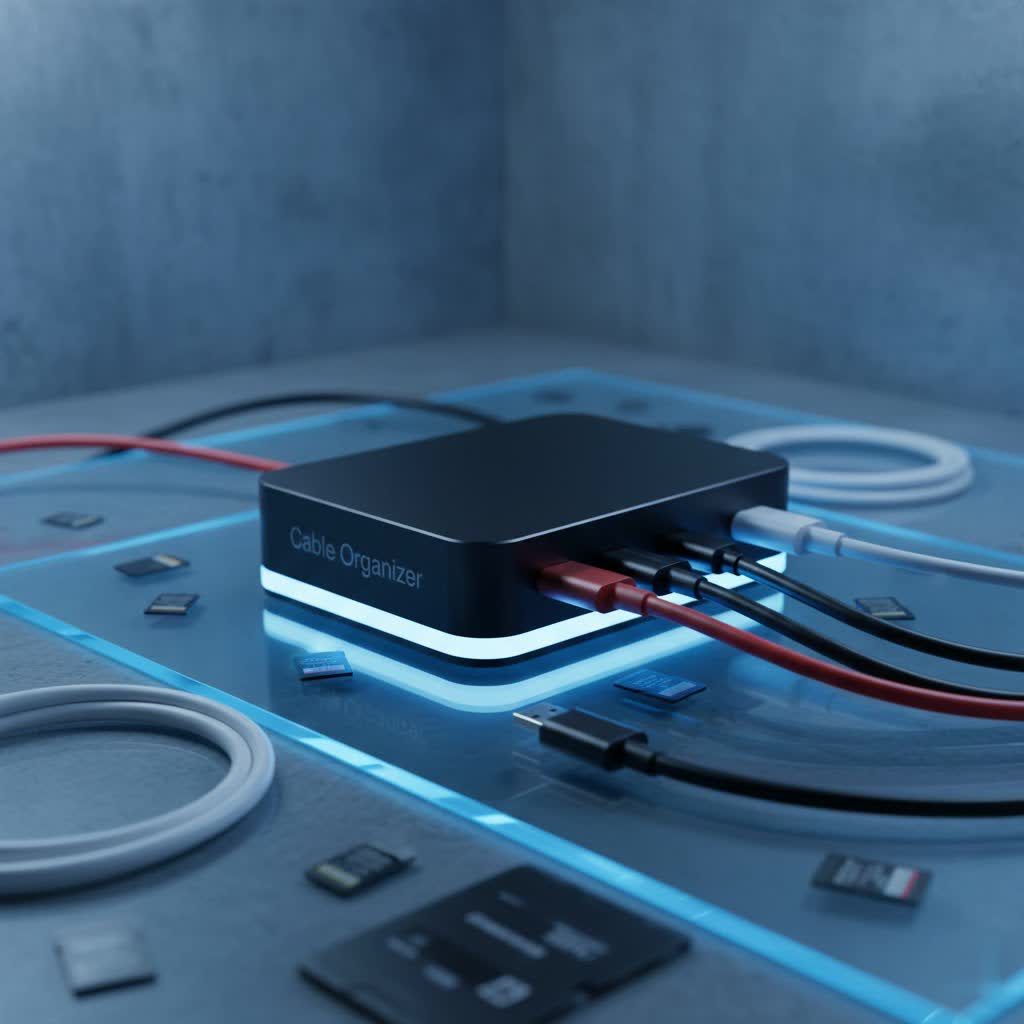
Ever walked into a room only to be greeted by a spaghetti-like mess of wires behind your TV, under your desk, or snaking across your floor? You’re not alone. In our increasingly connected world, cables and cords seem to multiply faster than we can keep track of them. But imagine a space where every cable has its place, neatly tucked away, almost invisible. That’s the power of a well-chosen Cable And Cord Organizer, transforming chaotic tangles into serene, functional environments. At Prdee.com, we believe that an organized setup isn’t just about aesthetics; it’s about efficiency, safety, and peace of mind. Let’s dive into how you can achieve this harmonious balance.
Why Bother with Cable Organization? More Than Just Pretty Wires
You might think organizing cables is purely for the visually obsessive, but the benefits stretch far beyond a clean look. A proper cable and cord organizer system offers tangible advantages for both your home and workspace.
Safety First: Mitigating Risks
|
Our Picks for the Best Cable Organizer in 2026
As an Amazon Associate I earn from qualifying purchases.
|
||
| Num | Product | Action |
|---|---|---|
| 1 | Under Desk Cable Management Tray No-Drill 2 Pack 16.9‘’ Wire Cord Organizers, Cable Management Under Desk for Home and Office No Damage Black |

|
| 2 | Nearockle 24Pcs Silicone Cable Straps Cord Organizer for Bundling Earphone, Phone Charger, Computer Cords, Reusable Cable Ties Wire Organizer in Home,Office,Kitchen,School (4 Colors) |
|
| 3 | Nettbe 60 PCS 6 Inches Reusable Cable Ties, Adjustable Cord Straps Wire Organizer Cord Wrap and Hook Loop Cable Management |
|
| 4 | 8Pack Cord Organizer [1s Lock] Spring Cable Management Clips - Lamicall Desk Adhesive Cord Holder Clips, Nightstand Phone Charger Wire Organizer Keeper, Home Office Organization Gadgets Accessories |
|
| 5 | VELCRO Brand ONE-WRAP Cable Ties, 100Pk, 8 x 1/2\" Black Cord Organization Straps, Thin Pre-Cut Design, Wire Management for Organizing Home, Office and Data Centers |
|
| 6 | Oligei 25 Pcs Silicone Cable Ties, Cable Ties Reusable, High Elasticity Cord Wraps for Electrical Cords, Cord Organizer for Earphone, Phone Charger(Colorful) |
|
| 7 | Anker Multipurpose Cord Keeper - 5 Clips for Lightning, USB C, Micro Cables & Other Wires - Sticks to Wood, Marble, Metal, Glass (Black) |
|
| 8 | 6-Pack Rotatable Cord Holder for Nightstand, LISEN 360°Rotating Magnetic Clips, No-Residue Strong Adhesive Cord Organizer for Desk, Phone Cord Holder for Home, Car, Office Desk Accessories |
|
| 9 | Heavy Duty Extension Cord Organizer 6 Pack Black 17\" Adjustable Storage Straps with Triangle Hooks for Garage Workshop & Tool Storage Ideal for Men\'s Gadgets and Cable Management |
|
| 10 | FYY Travel Cable Organizer Pouch Electronic Accessories Carry Case Portable Waterproof Double Layers All-in-One Storage Bag for Cord, Charger, Phone, Earphone Black |
|
Untamed cables are more than just an eyesore; they’re a legitimate safety hazard. Loose wires can become tripping dangers, especially in high-traffic areas. Furthermore, damaged insulation from constant tugging or kinking can expose live wires, leading to potential electrical fires or shocks. Proper cable management reduces these risks significantly, creating a safer environment for everyone.
Aesthetic Appeal: A Clear Space, A Clear Mind
Let’s face it, a jumble of wires detracts from even the most meticulously designed room. When cables are neatly managed, your space instantly feels more professional, organized, and inviting. This visual calm can contribute to a more focused mindset, especially in home offices where visual clutter can be a major distraction. It’s truly amazing how a simple cable and cord organizer can transform the entire vibe of a room.
Enhanced Longevity: Protecting Your Investments
Your expensive electronics rely on their cables to function. When cables are stressed, bent sharply, or constantly tangled, their internal wires can break down over time, leading to connection issues or complete failure. By using a cable and cord organizer, you protect your cables from premature wear and tear, extending the life of your devices and saving you money on replacements.
Easier Troubleshooting and Upgrades: Future-Proofing Your Setup
Have you ever spent frustrating minutes trying to figure out which cable belongs to which device? When cables are organized and perhaps even labeled, identifying specific connections becomes a breeze. This is invaluable when you need to troubleshoot an issue, replace a faulty cable, or upgrade your setup with new components. No more blindly pulling wires from the abyss!
Demystifying Cable Organizers: What’s Right for Your Space?
The world of cable organization is vast, offering a solution for almost every scenario. Understanding the different types of cable and cord organizer products available is the first step to choosing the right tools for your specific needs.
Cable Sleeves and Wraps: The Seamless Solution
These are fantastic for bundling multiple cables into a single, neat conduit. Made from flexible neoprene, braided PET, or simple spiral wrap, cable sleeves zip up or wrap around your wires, providing a sleek, professional look. They’re perfect for consolidating the numerous cables running from your TV to various media devices or tidying up the main run of power and data cables under a desk. They protect cables from dust and pets, too.
Cable Ties and Fasteners: Quick & Versatile
When you need to secure smaller bundles or individual wires, cable ties are your go-to.
- Velcro Ties: Reusable and adjustable, these are incredibly versatile. You can easily add or remove cables from a bundle, making them ideal for setups that change frequently.
- Zip Ties: While generally a one-time use solution (though reusable versions exist), zip ties offer a very secure and tight hold. They’re excellent for permanent installations or situations where you want minimal movement.
- Twist Ties: Simple and effective for light-duty bundling, often found with new electronics.
Cable Management Boxes: Hiding the Clutter
These clever boxes are designed to conceal power strips, excess cable slack, and chunky adapters. They typically have openings for cables to enter and exit, keeping all the unsightly clutter neatly contained. A cable and cord organizer box is a godsend for entertainment centers or under desks where multiple power bricks gather. They not only hide the mess but also offer a degree of dust protection.
Under-Desk Cable Trays and Raceways: Out of Sight, Out of Mind
For a truly clean desktop, getting cables off the floor and out of sight is key.
- Under-Desk Cable Trays: These are typically metal or plastic baskets that screw or clamp to the underside of your desk, providing a spacious channel for power strips and long cable runs. They’re excellent for keeping cables completely hidden.
- Cable Raceways/Conduits: These are channels that attach to walls, floors, or desks, concealing cables within them. They come in various colors and profiles, sometimes paintable, to blend seamlessly with your decor.
Cable Clips and Holders: Precision Placement
When you need to route individual cables along a surface or keep them from slipping off a desk, clips and holders are essential. They come in adhesive versions for easy installation or nail-in types for a more secure, permanent fixture. These small but mighty organizers ensure cables stay exactly where you want them, preventing them from falling behind furniture or getting snagged.
Step-by-Step: Crafting Your Clutter-Free Cable Oasis
Ready to tackle your cable mess? Follow these steps for a systematic approach to cable organization using your chosen cable and cord organizer tools.
- Assess and Plan: Before you unplug anything, take a moment to survey your cable landscape. Identify what devices are connected, where the cables run, and where the primary clutter points are. Sketch a rough plan if it helps visualize the optimal routing for your wires.
- Unplug and Untangle: This is often the most daunting but crucial step. Unplug everything from the power source and each device. Take photos if you’re worried about remembering connections. Gently untangle any existing knots and separate the individual cables.
- Clean and Group: While everything is unplugged, take the opportunity to clean around your devices and behind furniture. Then, group similar cables together: all power cords, all data cables (USB, HDMI), all audio cables. This makes the re-organization process much smoother. Consider labeling each cable end with a small label maker or even colored electrical tape – “TV Power,” “PS5 HDMI,” etc. This is a game-changer for future troubleshooting.
- Choose Your Tools: Based on your assessment and the types of cables you have, select the appropriate cable and cord organizer solutions. Do you need a cable box for a power strip? Sleeves for multiple TV cables? Clips for individual wires along your desk edge?
- Install with Care: Begin re-connecting your devices one by one, immediately routing and securing cables with your chosen organizers. Avoid pulling cables too taut; leave a little slack to prevent stress on connectors and allow for some flexibility. For under-desk trays, install them first, then place your power strips and route cables through them.
- Test and Tweak: Once everything is reconnected and organized, power up your devices and ensure everything is working correctly. Take a step back and observe. Are there any areas that could be tidier? Is everything easily accessible? Make any necessary adjustments.
Pro Tips for Next-Level Cable Management
Even with the best cable and cord organizer products, a few expert insights can elevate your setup from good to great.
- Labeling is Your Best Friend: As mentioned, labels save immense frustration. A simple label can prevent you from unplugging the wrong device. “According to industry veteran Marcus Sterling, a well-labeled cable setup is the hallmark of true organizational mastery. It not only saves time but drastically reduces the chances of costly mistakes.”
- Leave a Little Slack: Don’t pull cables drum-tight. Always leave a slight bit of slack. This reduces strain on the connectors and gives you a little wiggle room if you need to move a device slightly or add another component later.
- Consider Wireless Alternatives: Where possible, embrace wireless technology. Wireless mice, keyboards, and charging pads can drastically reduce the number of cables you need to manage in the first place.
- Regular Maintenance: Cable organization isn’t a one-and-done task. Periodically check your setup. As you add or remove devices, make sure to integrate new cables into your existing organizational scheme. A quick quarterly review can prevent a full-blown cable disaster.
- Think Future Expansion: When planning your cable and cord organizer setup, try to anticipate future needs. Will you be adding a new monitor? A gaming console? Leave some room for growth within your cable management solutions to avoid having to overhaul everything later.
FAQ: Your Cable & Cord Organizer Questions Answered
Q1: How often should I reorganize my cables?
A1: It largely depends on how frequently you add or remove devices. For static setups, an annual review might suffice. For a dynamic home office or gaming setup, a quarterly check-in is a good idea to prevent clutter from accumulating.
Q2: Can cable organizers improve Wi-Fi signal?
A2: Indirectly, yes. While a cable organizer itself doesn’t boost Wi-Fi, separating power cables from data cables (like Ethernet or Wi-Fi antennae) can reduce electromagnetic interference. This reduction in interference can potentially lead to a more stable and efficient wireless signal.
Q3: Are all cable ties the same?
A3: Not at all! Cable ties vary widely. You have reusable Velcro ties for flexibility, single-use nylon zip ties for a strong hold, beaded ties that are easy to adjust, and even specialty ties designed for specific environments like outdoor use or high heat. Choose the type that best suits the application and your need for adjustability.
Q4: What’s the best way to hide TV cables?
A4: For TV cables, a combination of solutions works best. Use cable sleeves to bundle multiple cables from the TV. Then, use wall-mounted raceways or in-wall cable management kits (if suitable for your home) to conceal the bundled cables. A cable management box can hide the power strip and excess slack near the floor.
Q5: Is it safe to bundle many cables together?
A5: Yes, it’s generally safe to bundle many cables together using a cable and cord organizer, as long as you’re mindful of heat and electromagnetic interference. Avoid bundling power cables too tightly with data cables if possible. Ensure sufficient airflow around large bundles to prevent heat buildup, especially with high-power cables.
The journey to a truly organized space begins with tackling those unruly cables. Implementing a robust cable and cord organizer system is more than just a cosmetic upgrade; it’s an investment in safety, efficiency, and tranquility. By understanding the tools available and applying a systematic approach, you can transform your tangled tech into a masterpiece of order. So, what are you waiting for? Take control of your cables today and experience the Prdee difference—a cleaner, safer, and more productive environment awaits!
