Picture this: You step into your home office, ready to tackle the day, only to be greeted by a chaotic spaghetti of wires beneath your desk. Or perhaps it’s your entertainment center, a jumble of cords behind the TV that makes you dread dusting. We’ve all been there, staring down the wire monster. But what if I told you there’s a simple, elegant solution that transforms this digital chaos into serene order? Enter the cable organizer box – a game-changer for anyone tired of tangled cords and unsightly clutter. As a seasoned expert in cable management and a content creator for Prdee.com, I’m here to unveil how these unassuming boxes can revolutionize your space, enhance safety, and even boost your productivity.
Why Cable Organizer Boxes Are a Must-Have for Every Space
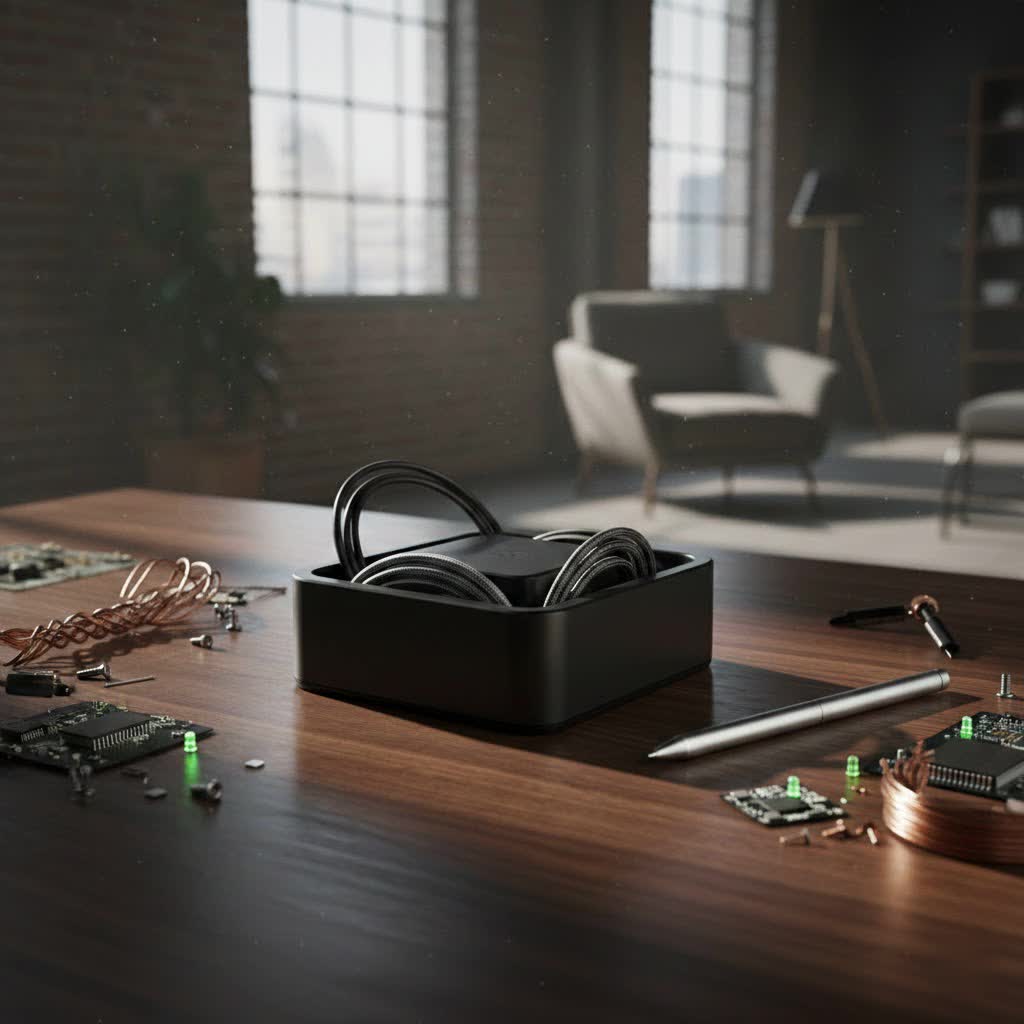
A cable organizer box, at its core, is a dedicated enclosure designed to hide and contain power strips, surge protectors, and the unsightly bundle of cables connected to your electronic devices. But their purpose extends far beyond mere concealment. These boxes are fundamental to creating a truly optimized and functional environment.
Beyond Aesthetics: The Hidden Benefits of Cable Organization
While the immediate visual improvement is undeniable, the advantages of integrating Cable Organizer Boxes into your home or office stretch much further:
-
Safety First: Protecting Kids and Pets
Loose, exposed cables and power strips aren’t just an eyesore; they’re a significant safety hazard. Curious toddlers might tug on wires, leading to knocked-over devices or even electrical shocks. Playful pets, particularly puppies and kittens, often see dangling cords as irresistible chew toys, risking electrocution or damage to expensive electronics. A sturdy cable organizer box securely encloses these dangers, offering invaluable peace of mind. -
Enhancing Longevity: Preventing Thermal Stress and Damage
A bundle of tangled wires can restrict airflow, leading to heat buildup around power strips and adapters. This thermal stress can shorten the lifespan of your electronics and even pose a fire risk. Cable organizer boxes, especially those with ventilation, help maintain optimal air circulation, protecting your devices and promoting a safer operating environment. They also shield cables from dust accumulation, which can further impede heat dissipation and degrade connections over time. -
Boosting Productivity: A Clutter-Free Mind
A messy workspace often translates to a messy mind. The visual distraction of cable clutter can impede focus and make it harder to concentrate on tasks. By containing wires in a sleek cable organizer box, you eliminate this visual noise, fostering a calm, organized environment conducive to enhanced productivity and creativity. No more unplugging the wrong device by mistake! -
Elevating Aesthetics: A Clean, Professional Look
Let’s face it, a neat space simply looks better. Whether it’s a minimalist desk setup or a sophisticated home theater, exposed wires detract from the overall aesthetic. Cable organizer boxes provide a clean, streamlined appearance, allowing your carefully chosen décor and electronics to shine without the distraction of tangled cords. This professional polish extends to any area, from a bustling office to a serene bedroom.
|
Our Picks for the Best Cable Organizer in 2026
As an Amazon Associate I earn from qualifying purchases.
|
||
| Num | Product | Action |
|---|---|---|
| 1 | Nearockle 24Pcs Silicone Cable Straps Cord Organizer for Bundling Earphone, Phone Charger, Computer Cords, Reusable Cable Ties Wire Organizer in Home,Office,Kitchen,School (4 Colors) |

|
| 2 | 6-Pack Rotatable Cord Holder for Nightstand, LISEN 360°Rotating Magnetic Clips, No-Residue Strong Adhesive Cord Organizer for Desk, Phone Cord Holder for Home, Car, Office Desk Accessories |
|
| 3 | 8Pack Cord Organizer [1s Lock] Spring Cable Management Clips - Lamicall Desk Adhesive Cord Holder Clips, Nightstand Phone Charger Wire Organizer Keeper, Home Office Organization Gadgets Accessories |
|
| 4 | Under Desk Cable Management Tray No-Drill 2 Pack 16.9‘’ Wire Cord Organizers, Cable Management Under Desk for Home and Office No Damage Black |
|
| 5 | Nettbe 60 PCS 6 Inches Reusable Cable Ties, Adjustable Cord Straps Wire Organizer Cord Wrap and Hook Loop Cable Management |
|
| 6 | Heavy Duty Extension Cord Organizer 6 Pack Black 17\" Adjustable Storage Straps with Triangle Hooks for Garage Workshop & Tool Storage Ideal for Men\'s Gadgets and Cable Management |
|
| 7 | VELCRO Brand ONE-WRAP Cable Ties, 100Pk, 8 x 1/2\" Black Cord Organization Straps, Thin Pre-Cut Design, Wire Management for Organizing Home, Office and Data Centers |
|
| 8 | Oligei 25 Pcs Silicone Cable Ties, Cable Ties Reusable, High Elasticity Cord Wraps for Electrical Cords, Cord Organizer for Earphone, Phone Charger(Colorful) |
|
| 9 | FYY Travel Cable Organizer Pouch Electronic Accessories Carry Case Portable Waterproof Double Layers All-in-One Storage Bag for Cord, Charger, Phone, Earphone Black |
|
| 10 | Anker Multipurpose Cord Keeper - 5 Clips for Lightning, USB C, Micro Cables & Other Wires - Sticks to Wood, Marble, Metal, Glass (Black) |
|
Choosing Your Perfect Cable Organizer Box: Types and Features
With a variety of designs and functionalities available, selecting the right cable organizer box depends on your specific needs and the environment you’re looking to tidy.
The Power Strip Hider Box
These are perhaps the most common and versatile type of cable organizer box. They are specifically engineered to accommodate standard power strips and surge protectors, along with all their connected cables and bulky adapters.
- Key Features: Look for models with ample ventilation slots to prevent overheating. Multiple entry and exit points for cables on different sides ensure flexibility in routing. Many are made from high-quality, electrically-safe ABS plastic, often flame-retardant, providing an extra layer of safety.
- Best for: Desks, entertainment centers, home offices, and any area where a power strip is a central hub for multiple devices.
Decorative Cable Boxes
When aesthetics are paramount, decorative cable boxes step up. These aren’t just functional; they’re designed to blend seamlessly with your interior décor.
- Key Features: Often featuring elegant wooden lids, sleek finishes, or unique shapes, these boxes aim to be an attractive addition rather than just a hidden utility. They typically offer the same great cable management capabilities but with a focus on visual appeal.
- Best for: Visible areas like living room side tables, open shelving, or conference rooms where a clean look is essential.
Under-Desk Cable Management Solutions
While not always “boxes” in the traditional sense, many under-desk solutions serve the same purpose of concealing cables and power strips. These can include mountable trays, baskets, or channels that attach directly to the underside of your desk.
- Key Features: Designed for maximum discretion, they keep cables completely out of sight and off the floor. They often feature open designs for easy access and superior airflow.
- Best for: Office setups, gaming stations, or any workspace where you want a truly invisible cable management solution.
Material Matters: A Quick Guide to Safety and Durability
The material of your cable organizer box is crucial for both safety and longevity.
- ABS Plastic: A popular choice for its durability, electrical safety, and often flame-retardant properties. It’s lightweight and easy to clean.
- Wood: Offers a more natural and sophisticated aesthetic. Ensure any wooden box has adequate ventilation if it encloses heat-generating devices.
- Resin: Similar to plastic, resin boxes provide a sturdy and often stylish option.
“Choosing the right cable organizer box isn’t just about hiding wires; it’s an investment in the safety, aesthetics, and overall efficiency of your personal and professional spaces,” observes Elara Vance, Lead Solutions Architect at Prdee.com. “Prioritize safety features like ventilation and flame-retardant materials, and then consider how the box integrates with your environment.”
Installing and Optimizing Your Cable Organizer Box: A Pro’s Guide
Once you’ve selected your ideal cable organizer box, setting it up correctly is key to maximizing its benefits. Don’t rush the process; a few extra minutes spent now will save you headaches later.
Step-by-Step Setup: Bringing Order to Chaos
- Unplug Everything Safely: Before you begin, always unplug all power strips and devices from the wall outlets. Safety first!
- Gather Your Cables and Devices: Collect all the cables, power bricks, and the power strip you intend to house in the box. This gives you a clear picture of the volume you’re working with.
- Place the Power Strip Inside: Position your power strip or surge protector within the box. Ensure its orientation allows for easy access to the on/off switch if needed, and that it aligns well with the box’s cable entry/exit points.
- Route Cables Neatly: Start plugging your device cables into the power strip. As you do, feed them through the designated slots or openings of the cable organizer box. Try to minimize excess cable length inside the box by coiling and securing it with small cable ties or Velcro straps.
- Secure the Lid: Once all cables are neatly routed, close the lid of the box. Ensure it sits securely and doesn’t pinch any wires.
- Re-plug and Test: Finally, plug the main power strip cord back into the wall outlet. Turn on your devices to ensure everything is functioning correctly. Marvel at your newly organized, clutter-free space!
Prdee’s Pro Tips for Maximum Efficiency
- Labeling is Your Best Friend: Once your cables are neatly tucked away, it can be tricky to identify which one belongs to which device. Use small labels or colored ties on the cables outside the box to easily identify them. This is a game-changer when you need to unplug a specific device.
- Combine with Cable Ties and Sleeves: For cables running from the box to your devices, consider using reusable cable ties or flexible cable sleeves to bundle them together. This creates a single, neat cord instead of multiple strands, enhancing the overall tidy appearance.
- Strategic Placement: Out of Sight, Not Out of Mind: Position your cable organizer box in a location that’s both discreet and practical. Under a desk, behind an entertainment center, or even next to a nightstand are ideal spots. If it’s a decorative box, let it sit prominently as a functional piece of décor.
- Regular Maintenance for Lasting Tidiness: Cables don’t organize themselves! Periodically check inside your box for dust buildup and ensure no cables have shifted or become tangled. A quick tidy-up every few months will keep your setup pristine.
DIY Cable Organizer Boxes: Get Creative on a Budget
While many excellent ready-made cable organizer boxes are available, sometimes a DIY approach is the perfect solution, especially if you’re on a budget or looking for a custom fit.
Repurposing Household Items
The beauty of DIY cable management lies in transforming everyday objects into functional organizers.
- Shoeboxes: An old shoebox can be an excellent starting point. It’s the perfect size for many power strips and can be easily customized.
- Old Kitchen Boxes or Storage Bins: Any sturdy cardboard or plastic box can be repurposed. Just ensure it’s robust enough for the job.
Simple Steps for a DIY Box
- Choose a Sturdy Box: Select a box made of thick cardboard or plastic.
- Measure and Mark: Place your power strip inside and mark where you need to cut entry/exit holes for the cables. Also, consider marking a larger opening for the main power strip cord.
- Cut the Openings: Use a utility knife or scissors to carefully cut the marked holes. For better safety and a cleaner look, you can line the edges of the holes with electrical tape or grommets.
- Decorate (Optional): Wrap your DIY box in decorative paper, paint it, or cover it with fabric to match your room’s aesthetic.
- Assemble: Place the power strip and cables inside as you would with a store-bought box.
When to Opt for DIY vs. Store-Bought: Considerations
- Budget: DIY is undeniably cost-effective, often using materials you already have.
- Customization: DIY allows for precise sizing and aesthetic matching that might be hard to find in commercial products.
- Safety: Store-bought boxes are typically designed with electrical safety in mind, using fire-retardant materials and proper ventilation. If DIY, ensure your chosen materials are non-flammable and that you provide ample airflow. Avoid using metal boxes unless properly grounded, as they can conduct electricity.
- Durability: Commercial cable organizer boxes are generally more durable and robust for long-term use.
Expert Insight: “A Tidy Cable is a Happy Cable”
“From the smallest charging brick to the most complex home theater setup, effective cable management transforms not just the look of a space, but its very functionality and safety,” says Elara Vance, Lead Solutions Architect at Prdee.com. “At Prdee, we advocate for solutions like cable organizer boxes because they address multiple pain points simultaneously. They safeguard against accidents, extend the life of your valuable electronics by preventing heat buildup, and create a more focused, visually appealing environment. It’s more than just tidying; it’s about optimizing your digital life for peak performance and peace of mind. A tidy cable is a happy cable, and a happy cable means a happier you.”
Frequently Asked Questions (FAQ)
Q1: Are cable organizer boxes safe, especially regarding heat?
A1: Yes, most commercially produced cable organizer boxes are designed with safety in mind. Many are made from heat-resistant, flame-retardant ABS plastic and feature ventilation slots to prevent heat buildup from power strips and adapters. Always check product specifications for safety certifications.
Q2: Can I put a surge protector inside a cable management box?
A2: Absolutely! Cable organizer boxes are primarily designed to house power strips and surge protectors, along with their associated cables. This keeps them hidden, protected, and reduces the risk of accidental disconnection or damage.
Q3: How do I know what size cable organizer box I need?
A3: Measure the length, width, and height of your power strip and any bulky adapters you intend to place inside. Choose a box that is slightly larger than these dimensions to allow for adequate airflow and room for cable routing. Consider the number of cables you need to manage as well.
Q4: What’s the best way to clean a cable organizer box?
A4: Unplug all devices and the power strip before cleaning. Use a soft, dry cloth to wipe down the exterior. For the interior, you can use a small brush or a can of compressed air to remove dust and debris. Avoid using harsh chemicals or abrasive cleaners.
Q5: Can cable organizer boxes protect against pet chewing?
A5: Yes, a robust cable organizer box provides an excellent physical barrier to protect cables from pets that might be prone to chewing. By enclosing the power strip and main cable bundles, you significantly reduce the temptation and opportunity for your furry friends to chew on potentially dangerous wires.
Q6: Where can I place cable organizer boxes for best results?
A6: Ideal locations include under desks, behind TV cabinets or entertainment centers, next to nightstands, or even on shelves where you have multiple charging devices. The goal is to place it where it effectively hides clutter while still allowing easy access for occasional maintenance or device changes.
Conclusion
The journey from cable chaos to organized serenity doesn’t have to be daunting. With the right cable organizer box, you can reclaim your space, enhance safety, and create an environment that truly supports your productivity and peace of mind. Whether you opt for a sleek, store-bought solution or get creative with a DIY project, the benefits of taming your tangled wires are immense. It’s a small change that yields significant results, transforming cluttered corners into functional, aesthetic havens. So, take the first step with a cable organizer box and experience the unparalleled calm of a truly organized space. At Prdee.com, we’re dedicated to helping you achieve this optimal state of cable management, one tidy box at a time.
