Ever found yourself staring at a magnificent flat-screen TV, only to have your eyes drawn down to a tangled mess of wires resembling a spaghetti monster? It’s a common sight, and honestly, it detracts from even the most impressive home theater setup. But what if I told you that achieving a clean, streamlined entertainment area is not only possible but also surprisingly straightforward? Welcome to the world of the Tv Cable Organizer, your secret weapon for transforming chaos into calm. At Prdee.com, we’ve spent years diving deep into the nuances of cable management, and today, we’re sharing our ultimate guide to help you conquer the cord clutter behind your television.
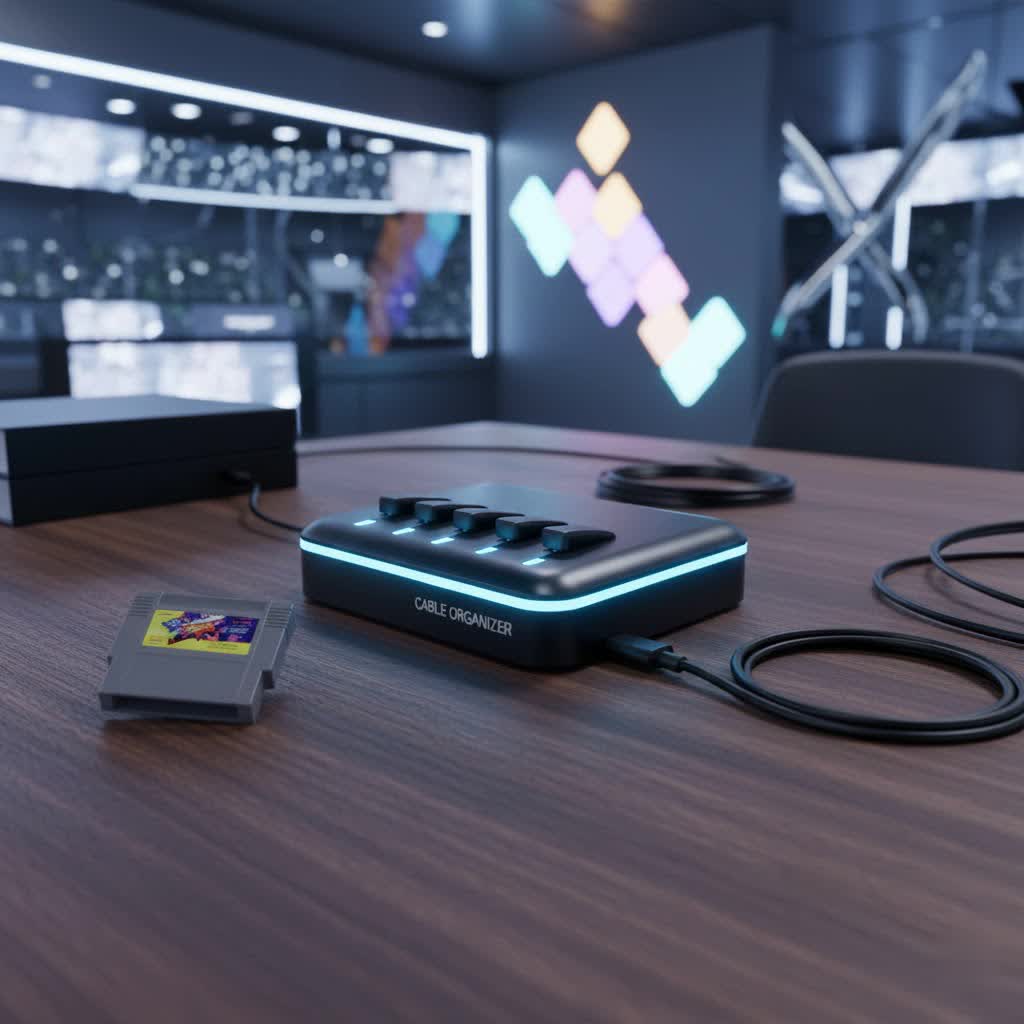
Understanding the “Why”: Why a TV Cable Organizer is Essential
Before we dive into the “how,” let’s chat about the “why.” Why should you invest your time and effort into organizing those seemingly innocuous cables? The reasons go beyond just aesthetics.
Elevate Your Aesthetics
|
Our Picks for the Best Cable Organizer in 2026
As an Amazon Associate I earn from qualifying purchases.
|
||
| Num | Product | Action |
|---|---|---|
| 1 | 8Pack Cord Organizer [1s Lock] Spring Cable Management Clips - Lamicall Desk Adhesive Cord Holder Clips, Nightstand Phone Charger Wire Organizer Keeper, Home Office Organization Gadgets Accessories |
![Check 8Pack Cord Organizer [1s Lock] Spring Cable Management Clips - Lamicall Desk Adhesive Cord Holder Clips, Nightstand Phone Charger Wire Organizer Keeper, Home Office Organization Gadgets Accessories on Amazon](https://prdee.com/wp-content/plugins/amazon-tables/assets/images/buy.png)
|
| 2 | Nearockle 24Pcs Silicone Cable Straps Cord Organizer for Bundling Earphone, Phone Charger, Computer Cords, Reusable Cable Ties Wire Organizer in Home,Office,Kitchen,School (4 Colors) |
|
| 3 | Nettbe 60 PCS 6 Inches Reusable Cable Ties, Adjustable Cord Straps Wire Organizer Cord Wrap and Hook Loop Cable Management |
|
| 4 | Under Desk Cable Management Tray No-Drill 2 Pack 16.9‘’ Wire Cord Organizers, Cable Management Under Desk for Home and Office No Damage Black |
|
| 5 | FYY Travel Cable Organizer Pouch Electronic Accessories Carry Case Portable Waterproof Double Layers All-in-One Storage Bag for Cord, Charger, Phone, Earphone Black |
|
| 6 | Anker Multipurpose Cord Keeper - 5 Clips for Lightning, USB C, Micro Cables & Other Wires - Sticks to Wood, Marble, Metal, Glass (Black) |
|
| 7 | Oligei 25 Pcs Silicone Cable Ties, Cable Ties Reusable, High Elasticity Cord Wraps for Electrical Cords, Cord Organizer for Earphone, Phone Charger(Colorful) |
|
| 8 | Heavy Duty Extension Cord Organizer 6 Pack Black 17\" Adjustable Storage Straps with Triangle Hooks for Garage Workshop & Tool Storage Ideal for Men\'s Gadgets and Cable Management |
|
| 9 | VELCRO Brand ONE-WRAP Cable Ties, 100Pk, 8 x 1/2\" Black Cord Organization Straps, Thin Pre-Cut Design, Wire Management for Organizing Home, Office and Data Centers |
|
| 10 | 6-Pack Rotatable Cord Holder for Nightstand, LISEN 360°Rotating Magnetic Clips, No-Residue Strong Adhesive Cord Organizer for Desk, Phone Cord Holder for Home, Car, Office Desk Accessories |
|
Let’s be real, those dangling wires are an eyesore. They scream “unfinished” and distract from the sleek design of your TV and living space. A proper TV cable organizer makes all those unsightly cables disappear, creating a minimalist, sophisticated look that truly highlights your entertainment setup. Imagine a clean wall beneath your mounted TV, or a tidy console table free from a jumble of cords – it makes a huge difference!
Enhance Safety
Beyond looks, loose cables pose real hazards. They’re trip risks for adults, tempting chew toys for pets, and potential dangers for curious children. Furthermore, tightly bunched, unmanaged cables can sometimes lead to overheating, which, while rare, is a fire risk. Employing a robust TV cable organizer is a proactive step towards a safer home environment.
Protect Your Investment
Your cables aren’t just pretty wires; they’re essential conduits for power, data, and crystal-clear audio/video. When left unprotected, they can get snagged, bent, or damaged, leading to signal loss or requiring costly replacements. Proper organization protects your cables, extending their lifespan and ensuring your electronics perform optimally.
Types of TV Cable Organizers: Finding Your Perfect Match
The good news is that there’s a TV cable organizer solution for every situation, budget, and DIY skill level. Let’s explore the most popular options available today.
Cable Raceways & Cord Covers
These are your go-to for on-wall cable concealment. They are essentially channels, often made of PVC, that you attach to your wall to run cables through.
- What are they? Cable raceways, also known as cord covers or wire covers, are solid or split channels that adhere directly to your wall. They come in various lengths and often include connectors for seamless turns and corners.
- Pros: Relatively easy and quick to install, often requiring only adhesive, though some can be screwed in for extra security. Many are paintable, allowing you to match them perfectly with your wall color, making them virtually disappear. They are an excellent, affordable way to hide visible wires without damaging your walls.
- Cons: While discreet, they are still a visible element on your wall. Adding or removing cables can sometimes be a bit fiddly, especially with snap-on covers.
In-Wall Cable Management Kits
For the ultimate invisible look, in-wall kits are the champion. These solutions guide your cables directly through the wall itself.
- What are they? These kits typically include specialized plates or grommets, often with a flexible conduit, that allow you to feed cables from behind your TV down to an outlet or media console below, all within the wall cavity. Many even include power relocation options for a truly wireless-looking wall-mounted TV.
- Pros: Offers a completely clean, professional aesthetic with zero visible cables. It’s the gold standard for wall-mounted TVs.
- Cons: Requires drilling holes in your drywall, which might be intimidating for some DIYers and isn’t ideal for renters. It also demands a bit more effort and planning. If you’re not comfortable with minor electrical work, professional installation is recommended, especially for power relocation.
Cable Sleeves & Wraps
If you have a bundle of cables that need to stay together but don’t necessarily need to be fully concealed, sleeves and wraps are fantastic.
- What are they? These are flexible materials, often neoprene or braided mesh, that wrap around multiple cables, bundling them into a single, neat tube. They come in various diameters and lengths, sometimes with a zipper or Velcro closure.
- Pros: Simple to use, highly flexible, and great for managing smaller groups of cables that run from a TV to a nearby soundbar or device. They instantly reduce the visual clutter of multiple individual cords.
- Cons: They don’t conceal the cables entirely, just bundle them. Best for shorter runs or behind furniture where the bundle itself isn’t prominently visible.
Cable Management Boxes
These unassuming heroes hide the biggest source of cable clutter: power strips and excess cable slack.
- What are they? A cable management box is a container, often made of plastic or wood, designed to house power strips, surge protectors, and the tangled overflow of adapter bricks and excess cable length. They typically feature discreet openings for cables to enter and exit.
- Pros: Excellent for hiding bulky power strips and associated “cable spaghetti,” improving both aesthetics and safety. Many are designed with ventilation to prevent overheating. They are quick to deploy – just put your strip and cables inside!
- Cons: They take up some space, so you’ll need a spot on your floor, shelf, or behind your media console for them.
Cable Ties & Straps
The most basic, yet incredibly effective, TV cable organizer tools.
- What are they? These include zip ties, Velcro straps, and reusable wire ties. They’re used to bundle individual cables together or to secure them to furniture legs or the back of your TV.
- Pros: Inexpensive, widely available, and incredibly versatile for quick fixes. Velcro straps are particularly useful as they can be easily undone and re-fastened when you need to add or remove a cable.
- Cons: They primarily offer organization rather than true concealment. They’re best used in conjunction with other solutions or in areas that aren’t highly visible.
Step-by-Step Guide to a Tidy TV Setup
Ready to get hands-on and implement your chosen TV cable organizer solution? Let’s walk through the process.
How do I prepare my cables for organization?
Before you start tucking things away, a little prep work goes a long way.
- Audit & Untangle: Begin by unplugging everything. This gives you a fresh start. Identify each cable and trace where it goes. Remove any cables that are no longer in use. You’d be surprised how many extraneous cords accumulate!
- Clean: While everything is unplugged, take a moment to dust off your devices and the cables themselves. It’s much easier now than when they’re neatly tucked away.
- Label: This is a game-changer. Use small labels (even masking tape will do) to clearly mark each end of every cable. Knowing which HDMI cable goes to your gaming console versus your streaming stick will save you immense frustration later.
What’s the best way to install an on-wall raceway?
Installing a cable raceway is a popular, DIY-friendly choice.
- Measure & Cut: Hold the raceway pieces against the wall to determine the path your cables will take. Measure the necessary lengths and cut the raceway sections using a utility knife or a small saw. Use the included corner pieces for neat transitions.
- Attach: Peel the adhesive backing and firmly press the raceway onto the wall. For heavier cable loads or a more permanent fixture, you might opt to drill pilot holes and use screws (check manufacturer instructions).
- Route & Snap: Carefully place your organized cables into the raceway channel. Once all cables are neatly inside, snap the cover onto the raceway. If desired, paint the raceway to match your wall for a truly integrated look.
How can I set up an in-wall cable management system safely?
For those seeking the pinnacle of invisibility, an in-wall solution is fantastic, but it requires a bit more confidence.
- Plan: First, determine the ideal location for your two holes: one directly behind your TV (usually where the mounting bracket is) and one below, near your power outlet or media console. Use a stud finder to ensure you’re not drilling into a stud.
- Drill: Using a hole saw (often included in kits), carefully cut the two designated holes in your drywall. Install the low-voltage mounting brackets into these openings.
- Feed: Guide the flexible conduit (if your kit includes one) through the wall from the top hole to the bottom. Then, feed your labeled cables through the conduit. Connect your cables at both ends. If your kit includes a power relocation component, and you are not experienced with electrical work, please consult a qualified electrician for installation. Safety first!
Tips for integrating an organizer with my decor?
Making your cable management blend seamlessly with your interior design is key.
- Paint Raceways: As mentioned, paintable raceways are a fantastic way to make them disappear. A quick coat of paint and they blend right in.
- Strategic Furniture Placement: Use your existing furniture. Place a console table directly beneath a wall-mounted TV, allowing cables to drop behind it and be hidden within a cable management box. Tall plants can also cleverly obscure cable runs.
- Shorter Cables: Sometimes, the simplest solution is the best. If you have excessively long HDMI or power cables, consider replacing them with shorter versions that only provide the necessary length. This minimizes excess slack and makes organization easier.
Expert Insights: Maximizing Your TV Cable Organizer Experience
“Cable management isn’t just about hiding wires; it’s about creating a harmonious living space that’s both functional and beautiful,” says Eleanor Vance, Senior Cable Management Specialist at Prdee.com. “From my years of experience, the biggest mistake people make is thinking of it as a one-time fix. Good cable organization is an ongoing process. Use reusable ties, leave a little slack, and choose solutions that allow for easy access. This flexibility ensures your setup can evolve with your tech needs, keeping your space tidy without constant frustration.”
Choosing the Right TV Cable Organizer for Your Space: A Quick Checklist
Not sure which TV cable organizer is right for you? Ask yourself these questions:
- Is your TV wall-mounted or on a stand? Wall-mounted TVs often benefit most from in-wall or raceway solutions, while stand-mounted TVs can leverage cable boxes, sleeves, and ties behind furniture.
- How many cables do you have? A few cables might be fine with just sleeves and ties, but a full home theater setup demands a more comprehensive solution like raceways or an in-wall kit.
- What’s your DIY skill level? Simple adhesive raceways and cable ties are for everyone. In-wall kits require more comfort with tools and home improvement.
- What’s your desired aesthetic? Do you want cables completely invisible (in-wall) or just neatly contained (raceways, boxes)?
- What’s your budget? Solutions range from a few dollars for ties to more significant investments for comprehensive in-wall kits.
Frequently Asked Questions About TV Cable Organizers
Are in-wall cable organizers safe?
Yes, when installed correctly, in-wall cable organizers are very safe. Ensure you use low-voltage cable plates for signal cables and always follow local electrical codes if you’re running power cables within the wall, or consult a professional electrician. Many kits are made from fire-retardant materials like UL-94 V-0 certified PVC for added safety.
Can I paint cable raceways?
Absolutely! Many cable raceways are designed to be paintable, allowing you to match them seamlessly with your wall color. This is one of the most effective ways to make them blend in and virtually disappear.
How do I hide power strips?
Cable management boxes are specifically designed for this purpose. They enclose power strips, adapters, and excess cable, making them an excellent TV cable organizer for bulky items. You can place these boxes on the floor behind your TV stand or inside a media console.
What’s the cheapest way to organize TV cables?
The most budget-friendly options are cable ties and Velcro straps. They are effective for bundling and securing cables, creating a much tidier look without a significant financial outlay. While they don’t hide cables, they drastically improve their organization.
How can I adjust my cable organization if I add new devices?
This is where choosing flexible TV cable organizer solutions comes in handy. Reusable Velcro straps, cable sleeves with zipper closures, and raceways with snap-on covers make it easy to add or remove cables as your entertainment setup evolves. Always leave a little slack in your cables to accommodate future changes.
Embrace a Clutter-Free Entertainment Experience
Taking control of your TV cables is more than just a chore; it’s an investment in a cleaner, safer, and more enjoyable living space. With the right TV cable organizer and a little effort, you can transform that messy tangle into a pristine, professional-looking setup. Say goodbye to the spaghetti monster and hello to effortless entertainment. Ready to streamline your space? Explore the vast array of solutions available and start your journey to a perfectly organized home theater today. For more in-depth guides and expert tips on all things cable management, visit us at Prdee.com!
